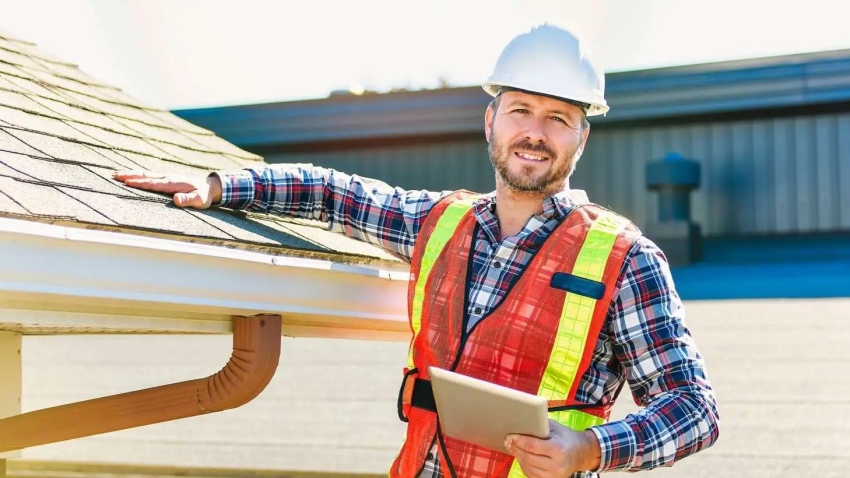
The Importance of Licensing for a Roofing Contractor
Licensing plays a crucial role in the roofing industry, serving as a fundamental requirement for contractors who want to operate legally and professionally. For homeowners and property managers seeking roofing services, choosing a licensed contractor is essential to ensure quality workmanship, safety, and legal compliance. Licensing acts as a form of validation that the contractor has met specific standards set by regulatory authorities. These standards often include passing exams, demonstrating relevant experience, and maintaining proper insurance coverage. Without licensing, there is no guarantee that the individual or company possesses the necessary skills or knowledge to complete roofing projects effectively.
One of the primary reasons licensing matters is consumer protection. When hiring a licensed roofing contractor, clients gain access to recourse options if problems arise during or after project completion. Many states require contractors to carry liability insurance and workers’ compensation insurance as part of their licensing conditions. This protects homeowners from financial responsibility in case of accidents or damages caused by the contractor’s work. Additionally, licensed contractors are usually required to adhere to building codes and safety regulations designed to protect both workers and property owners. Compliance with these rules reduces risks related to structural failures or hazardous working conditions.
Licensing also reflects dive deeper professionalism within the industry. Contractors who invest time and resources into obtaining licenses demonstrate commitment toward maintaining high standards in their trade. They are more likely to stay updated on new technologies, materials, and best practices through continuing education requirements tied to license renewal processes. This ongoing learning helps them deliver superior results compared to unlicensed competitors who might lack formal training or oversight.
Furthermore, many local governments enforce strict penalties against unlicensed contracting work because it undermines public trust and can lead to subpar construction outcomes that endanger residents’ safety. Engaging an unlicensed roofer may result in fines for both parties involved if discovered during inspections or audits conducted by municipal agencies.
For consumers planning roof repairs or replacements, verifying a contractor’s license status should be among the first steps before signing any agreements or making payments. License numbers can typically be checked online through state licensing boards or consumer protection websites where records confirm legitimacy along with any disciplinary actions taken against the professional.
In summary, licensing provides assurance that roofing contractors meet established qualifications designed for quality assurance and risk management purposes within this specialized trade sector. It safeguards clients financially while promoting ethical business conduct among professionals tasked with protecting one of their most valuable assets-their home’s roof structure-from weather damage over time. Choosing only licensed roofers ensures peace of mind throughout every phase of your project from initial consultation through final inspection stages without compromising on safety standards mandated by law enforcement bodies overseeing construction practices nationwide today.