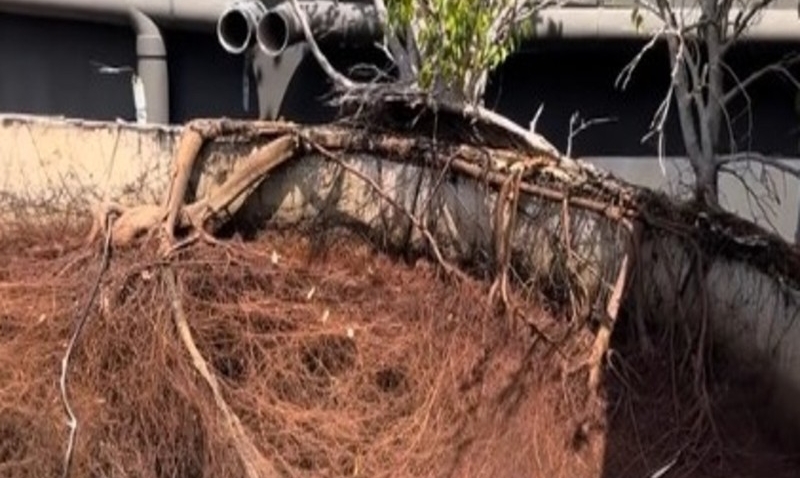
Insurance and Liability When Root Systems Damage Foundations
When tree root systems grow extensively beneath a property, they can cause significant damage to foundations. This issue often raises complex questions about insurance coverage and liability, which homeowners need to understand clearly. Damage caused by roots is typically gradual and may lead to cracks, shifting, or uneven settling of the foundation. While this type of damage is common in areas with large trees or aggressive root growth, determining responsibility and coverage under insurance policies can be challenging.
Homeowners’ insurance generally covers sudden and accidental damages but excludes wear-and-tear or maintenance-related problems. Since root system damage tends to develop over time rather than occurring abruptly, it often falls outside standard policy protections. Most insurers classify foundation issues due to roots as maintenance problems because they result from natural growth processes rather than an unexpected event. Consequently, many claims related to root-induced foundation damage are denied on the basis that the homeowner failed to prevent the problem through proper upkeep.
Liability for root system damage depends largely on where the damaging tree trimming service is located. If roots originate from a tree planted on the homeowner’s own property, then responsibility for repairs usually rests with them. Property owners have a duty to manage their vegetation so it does not harm neighboring structures or land. However, if roots from a neighbor’s tree extend onto adjacent property causing foundation issues, liability may shift depending on local laws and ordinances governing nuisance or trespass by plant roots.
In cases involving neighboring properties, communication between parties becomes essential in resolving disputes before escalating into legal action. Some jurisdictions require neighbors to share costs associated with removing invasive roots or repairing structural damages caused by them. Homeowners should document any signs of root intrusion early and consult professionals such as arborists and structural engineers who can assess risk levels accurately.
Preventative measures include regular inspection of trees near buildings and installing physical barriers underground designed to redirect or limit root growth away from foundations. Insurance policies vary widely; some specialized endorsements might offer limited coverage for certain types of gradual damage including those linked to vegetation if explicitly stated in the contract terms.
Ultimately, understanding both your insurance policy details and local regulations regarding plant-related property damage is critical when dealing with foundation harm caused by root systems. Proactive management combined with clear knowledge about liability helps minimize financial risks while maintaining safe living environments around mature trees whose benefits must be balanced against potential structural threats below ground level.