Effective Ways to Treat Gum Disease and Restore Healthy Gums
Gum disease, also known as periodontal disease, is a common oral health issue that affects millions of people worldwide. It begins with inflammation of the gums caused by plaque buildup and can progress to more severe stages if left untreated. Effectively treating gum disease and restoring healthy gums requires a combination of professional dental care and consistent at-home practices. Early intervention is crucial to prevent irreversible damage to the gums and supporting bone structures.
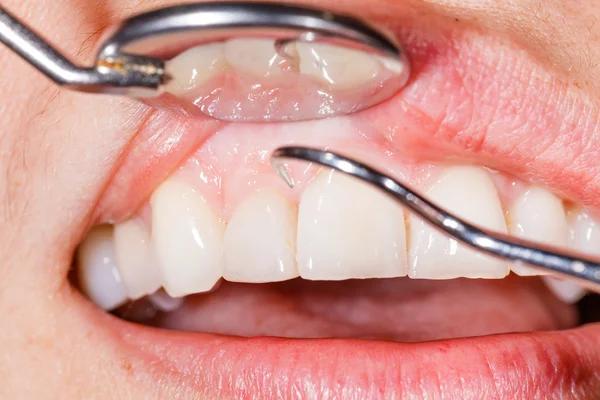
The first step in treating gum disease involves a thorough dental examination and cleaning performed by a dentist or dental hygienist. During this visit, plaque and tartar deposits are carefully removed from above and below the gum line through a process called scaling. This deep cleaning helps eliminate bacteria responsible for infection and allows the gums to heal properly. In some cases, root planing may be necessary; this procedure smooths out rough spots on tooth roots where bacteria tend to accumulate, promoting reattachment of the gums to the teeth.
After professional treatment, maintaining excellent oral hygiene at home becomes essential for sustaining healthy gums. Brushing teeth twice daily with fluoride toothpaste removes food particles and bacterial plaque before it hardens into tartar again. Using a soft-bristled toothbrush ensures gentle cleaning without irritating sensitive gum tissue. Flossing once daily reaches areas between teeth where brushing cannot effectively clean, preventing further buildup along the gum line.
In addition to mechanical cleaning methods, certain antimicrobial mouth rinses can reduce bacterial levels in the mouth during active treatment phases or as part of ongoing maintenance routines. These rinses help control infection while minimizing inflammation in affected tissues. However, they should complement rather than replace brushing and flossing efforts.
Lifestyle factors also play an important role in managing gum disease outcomes. Smoking cessation is highly recommended since tobacco use impairs blood flow to oral tissues, hindering healing processes after treatment interventions. A balanced diet rich in vitamins C and D supports immune function and tissue repair mechanisms essential for restoring healthy gums.
For advanced cases where pockets form between teeth and gums or significant bone loss occurs, surgical options may be considered by dental professionals. Procedures such as flap surgery allow access for deeper cleaning beneath the gum line while reducing pocket depths that harbor harmful bacteria.
Regular dental checkups every six months enable early detection of any recurring signs of gum disease so timely actions can be taken before progression worsens overall oral health status.
Effective gum disease treatment combines professional care with diligent personal hygiene habits alongside positive lifestyle changes aimed at fostering healing environments within the mouth. Through these approaches, individuals can successfully restore their gums’ health while preventing future complications linked to periodontal infections.